
EdTech Product Design Case Study
Follett Shelf Application Design
Designing a digital reading platform for K–12 students, built to support eBooks, audiobooks, checkout workflows, wishlists, notes, highlights, and evolving content discovery needs.
Project Highlights

Overview
Follett Shelf was designed as a digital reading platform for the K–12 market, focused on helping schools manage eBooks, audiobooks, checkouts, holds, wishlists, and student reading activity.
The platform initially needed to work well on Chromebooks, but the scope expanded to include desktop computers, tablets, and phones as user data and device usage patterns evolved.
The product included search by title, author, genre, subject, and other criteria; a visual browsing shelf; a checkout and check-in system; holds; wishlists; and future-facing features such as notes, highlights, and student-teacher conversations around reading content.
Challenge & Opportunity
Follett Shelf was being designed and built at high speed while the product itself was still evolving. The project often felt like designing the car while it was already moving.
Business decisions, user experience direction, technical implementation, and production code were all moving forward at the same time. The team was large, with roughly fifty developers, multiple designers, product leadership, content support, business analysis, and development sub-teams assigned across different areas of the product.
The opportunity was significant: to create a digital reading ecosystem at a time when schools were beginning to explore the role eBooks and audiobooks might play in education.
My Contribution
As Senior UI Designer, I helped shape the interface direction, visual design, responsive layout considerations, and implementation-ready design assets for Follett Shelf.
- Designed interface layouts and product screens
- Supported responsive design for Chromebooks, desktop, tablets, and phones
- Created detailed static mockups and visual specifications
- Collaborated with UX designers, product managers, and development teams
- Supported multiple Agile development teams during the product lifecycle
- Helped establish design consistency across a complex and evolving product ecosystem
Key Design Decision
One of the most important questions surrounding Follett Shelf was whether students and schools would fully embrace eBooks and digital reading technology at the scale leadership anticipated.
From a design perspective, the challenge was to support a familiar reading and browsing experience while introducing new digital behaviors such as holds, wishlists, notes, highlights, and conversations around content.
The product needed to feel approachable to students while also meeting the operational needs of educators, librarians, and administrators.
Product Features
Follett Shelf included a wide range of features intended to support the full lifecycle of digital reading and content management.
- Search by title, author, genre, subject, and related criteria
- Visual shelf browsing by cover art
- Check-in and checkout functionality
- Holds and availability workflows
- Student wishlists and “want to read” lists
- Notes and highlighting functionality
- Student and teacher conversations around selected titles
- Expanded discovery beyond the Follett Shelf ecosystem
Outcome
Follett Shelf launched and remained in service for several years, but user interaction and adoption did not meet the expectations that had shaped the original product vision.
After two years of development and approximately five years in service, the platform was ultimately shuttered. Follett later moved to a third-party solution for hosting and managing eBooks and audiobooks.
While the product did not achieve the long-term adoption the company had hoped for, it provided valuable lessons about emerging technology, product-market fit, user validation, and the risks of investing heavily before adoption patterns are fully understood.
Reflection
Looking back, I would have advocated for far more user testing before large-scale development began. Individual studies, focus groups, and deeper validation with students, educators, and librarians could have helped clarify whether eBook adoption had sincere long-term potential or whether excitement around the trend was outpacing actual demand.
The experience reinforced one of the most important lessons in product design: a feature-rich product is not automatically a successful product.
Successful products depend on timing, readiness, adoption, user behavior, and a clear understanding of the problem being solved.
Product success is determined by adoption, not ambition.
Supporting Visuals
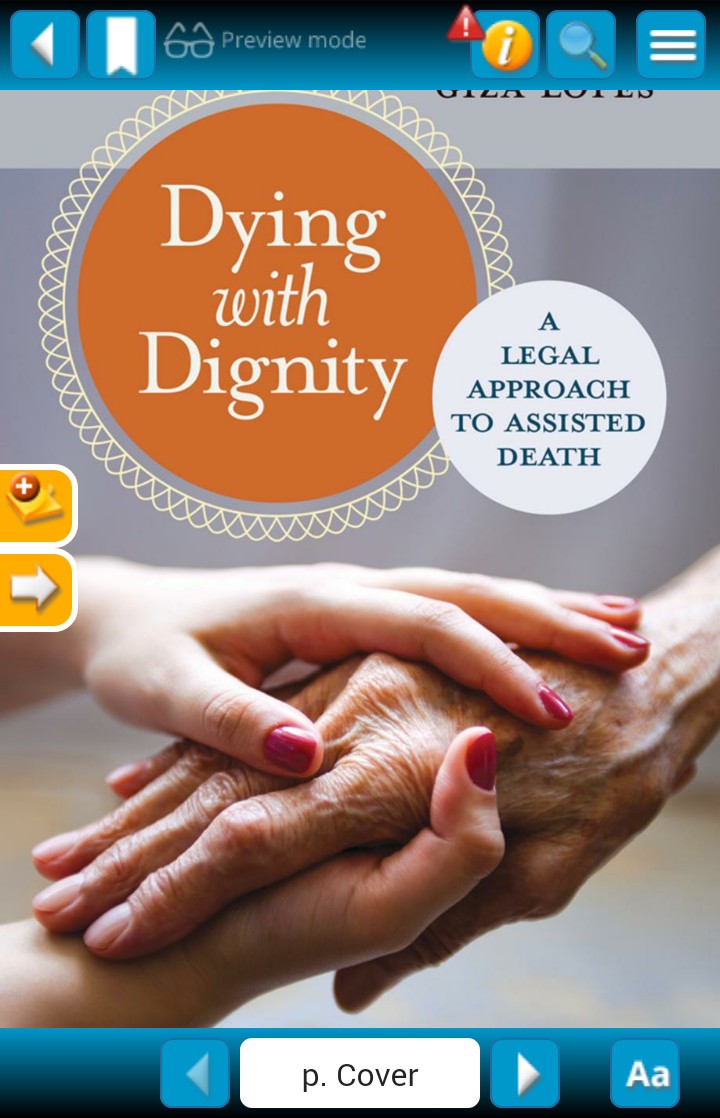
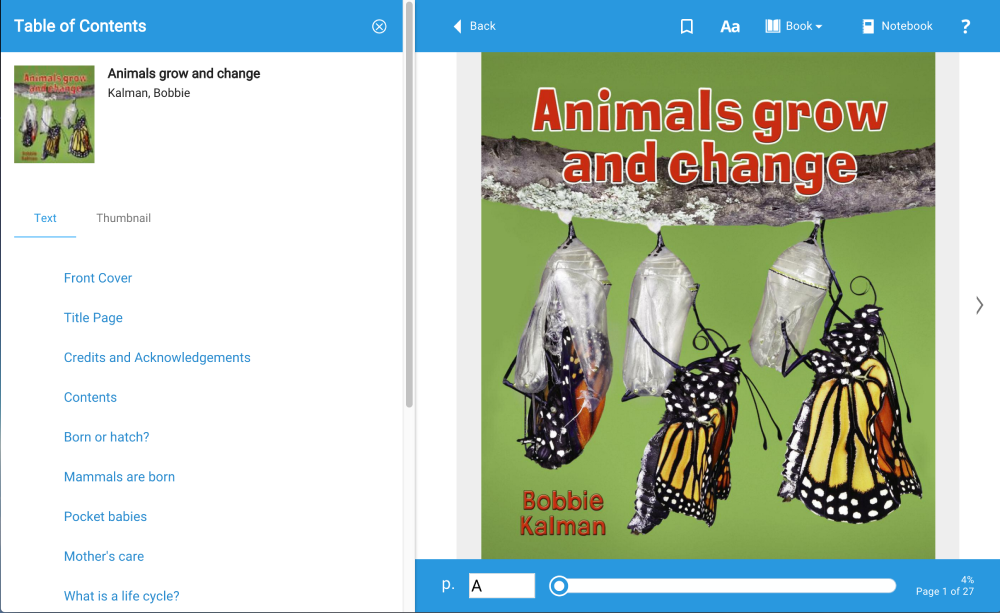
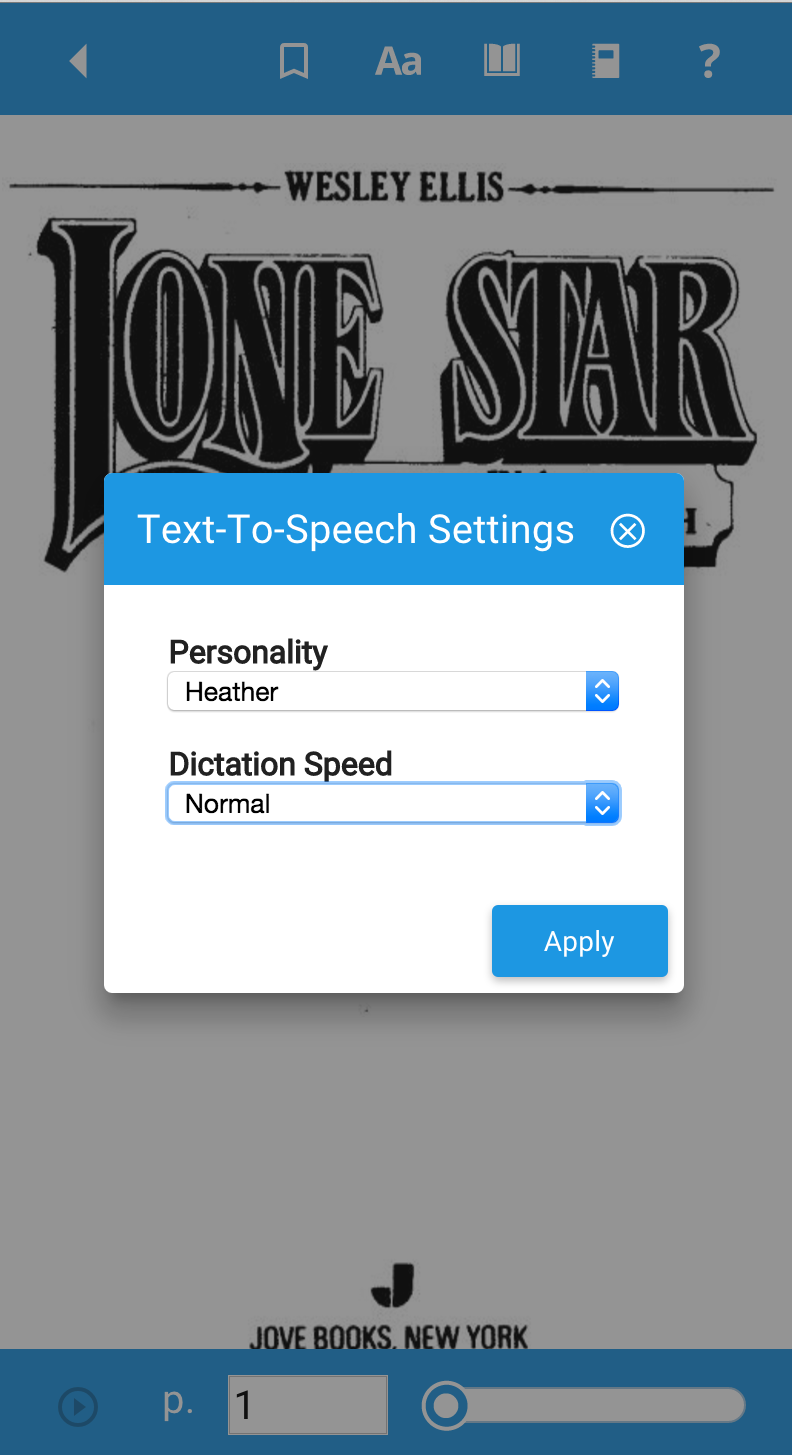
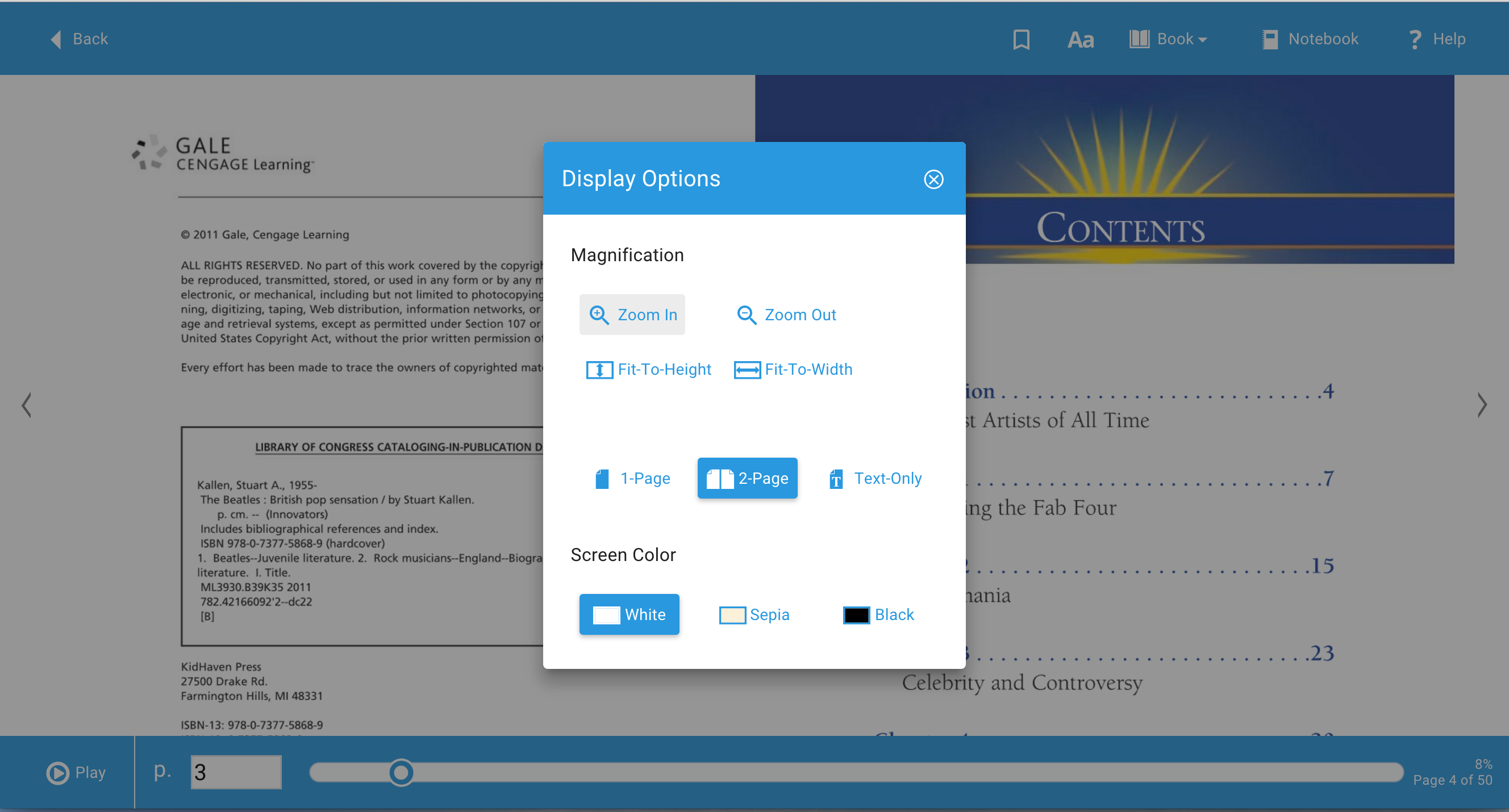
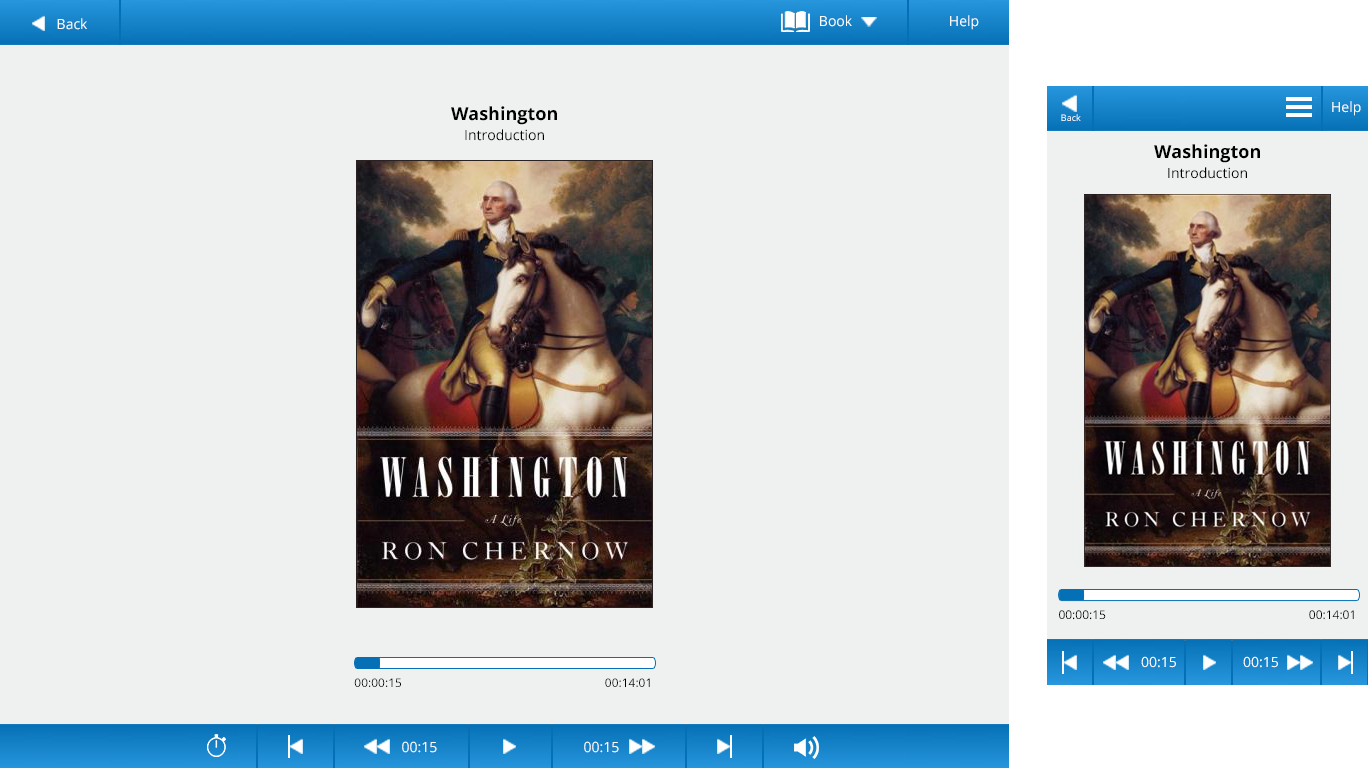
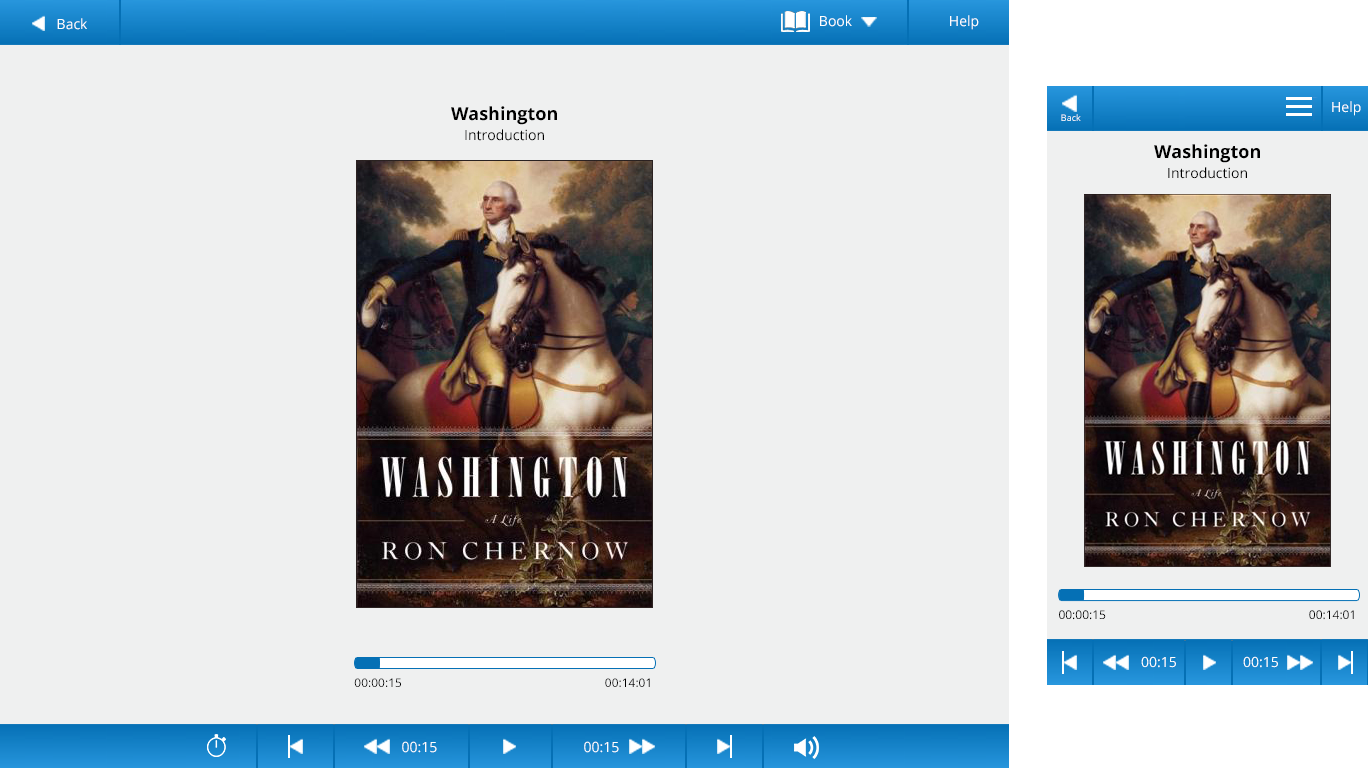
A selection of Follett Shelf screens, eReader tools, mobile specifications, and related digital reading experiences.

Interested in working together?
Whether you’re building an education platform, improving a digital reading experience, or validating a complex product idea before scaling it, I’d love to hear about it.
Get in Touch