
Retail Brand Launch Case Study
The Strand Retail Identity System
Creating a cohesive retail identity system for a new yarn, knitting, crochet, and craft boutique established to serve a community left behind by the nationwide closure of Joann Fabrics locations.
Project Highlights
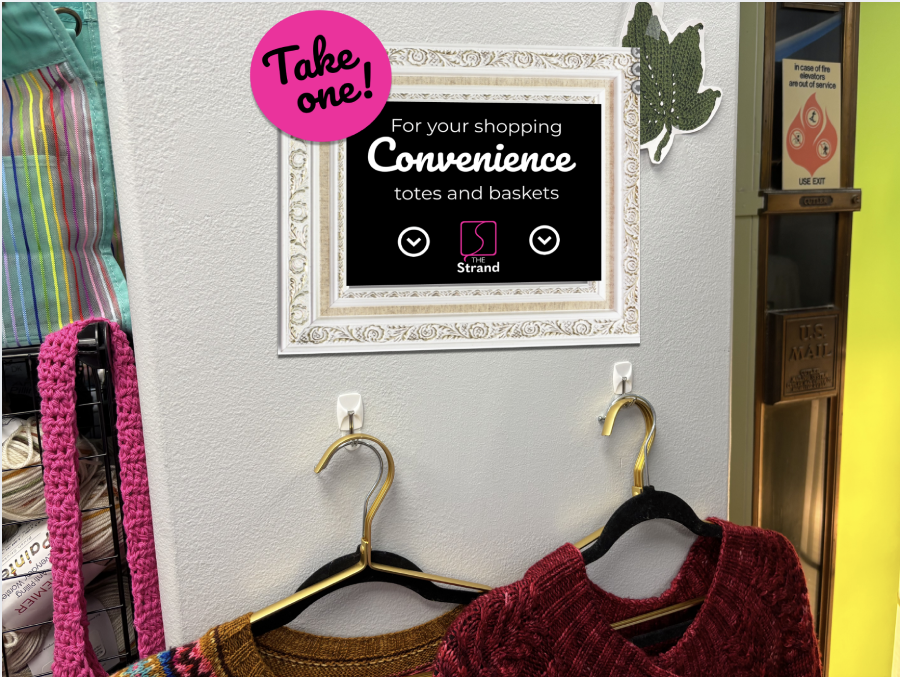
Overview
The Strand was created in response to a significant shift in the retail landscape. After a major disruption in the national craft-retail landscape, many knitting, crochet, fiber arts, and craft enthusiasts found themselves looking for a more personal and convenient local resource.
The Strand sought to fill that gap by creating a welcoming boutique experience focused on yarn, crafting supplies, education, and community.
The goal of this project was to create a cohesive collection of customer-facing materials that would help establish credibility, support day-to-day operations, and provide a consistent brand experience throughout the store.
The Challenge
Like many new independent businesses, The Strand faced practical constraints.
Budgets were limited. Materials needed to be easy to update. Store staff needed the ability to reproduce and maintain certain assets internally without relying on outside vendors.
At the same time, the store needed to appear polished, trustworthy, and established despite being a new business entering the marketplace.
My Role
As Designer, I was responsible for developing a broad collection of visual assets supporting the store experience.
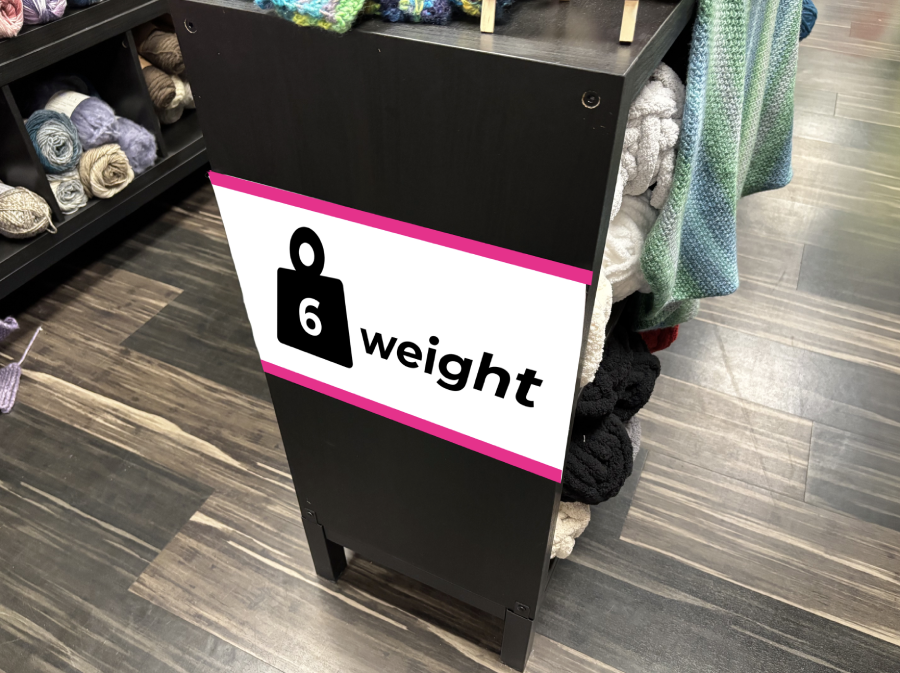
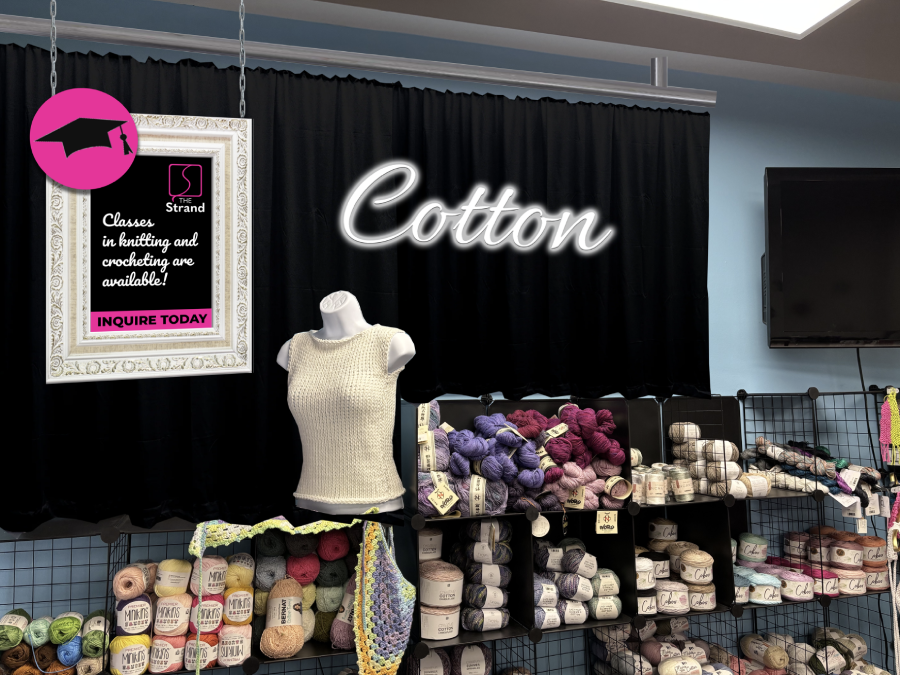
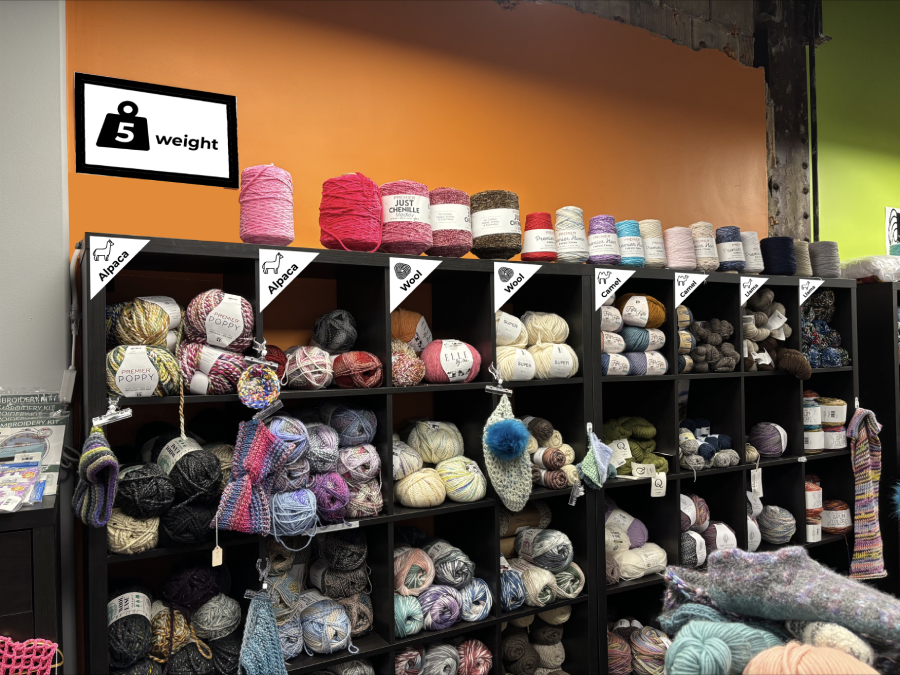
- Exterior and interior signage
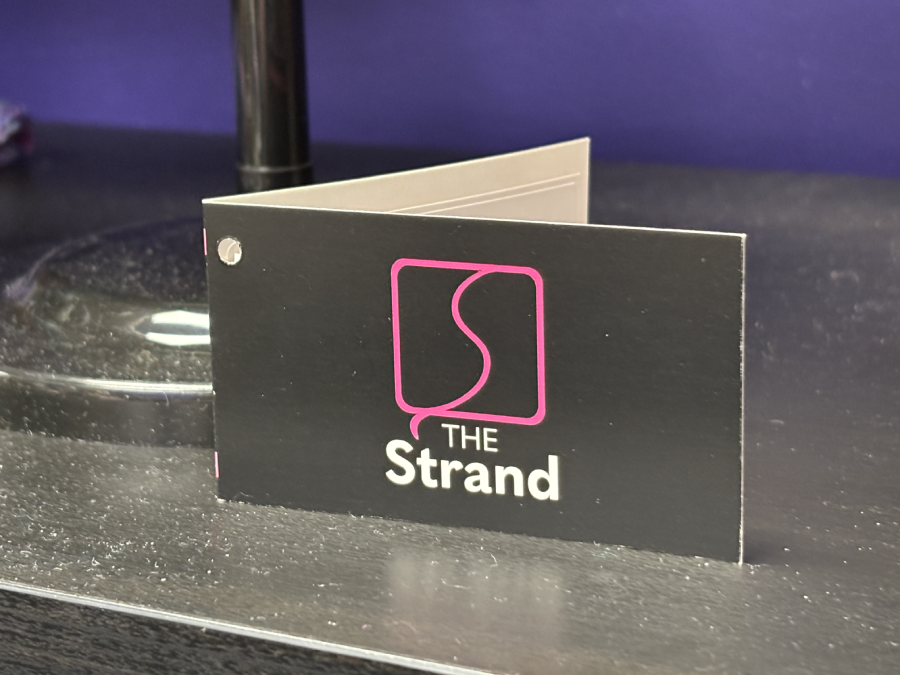
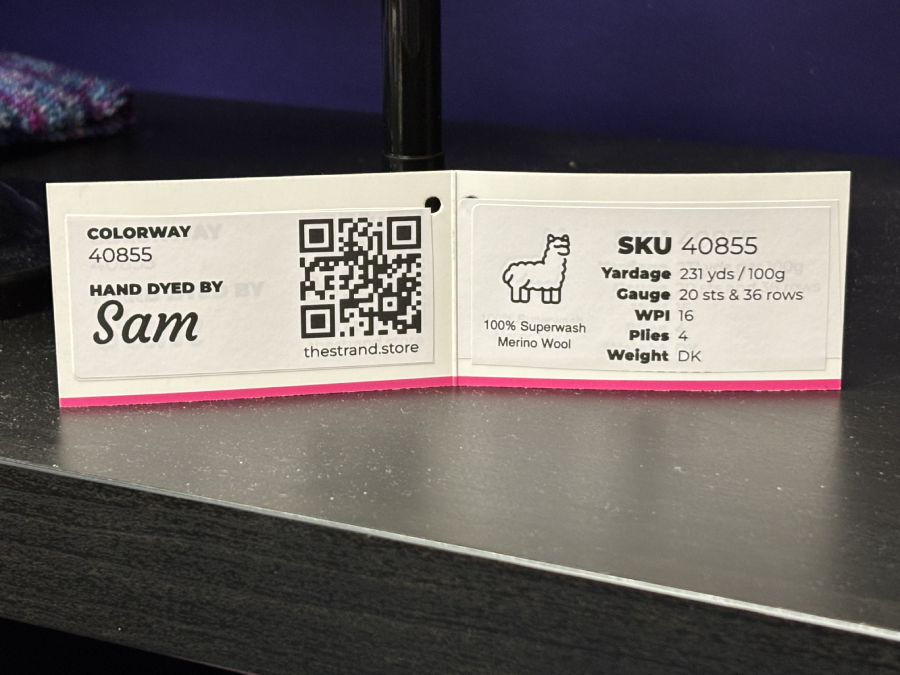
- Product hang tags
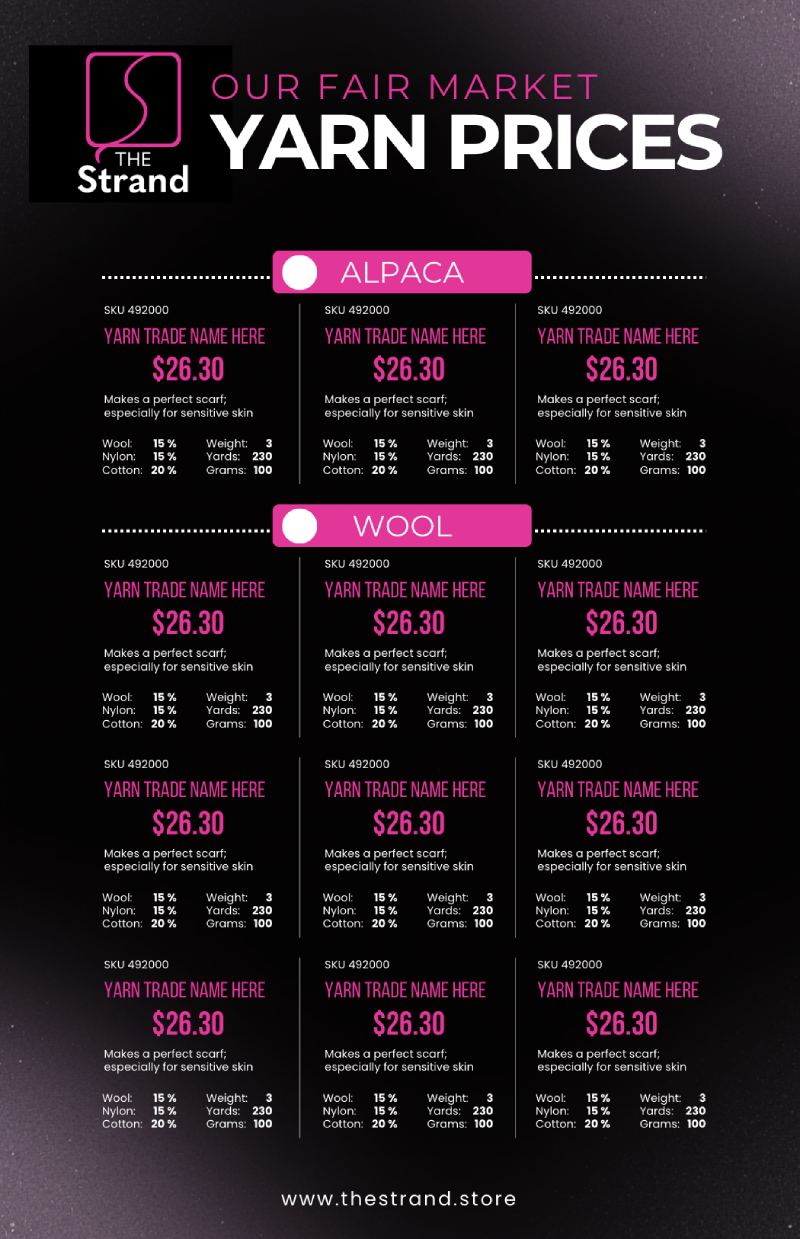
- Pricing materials
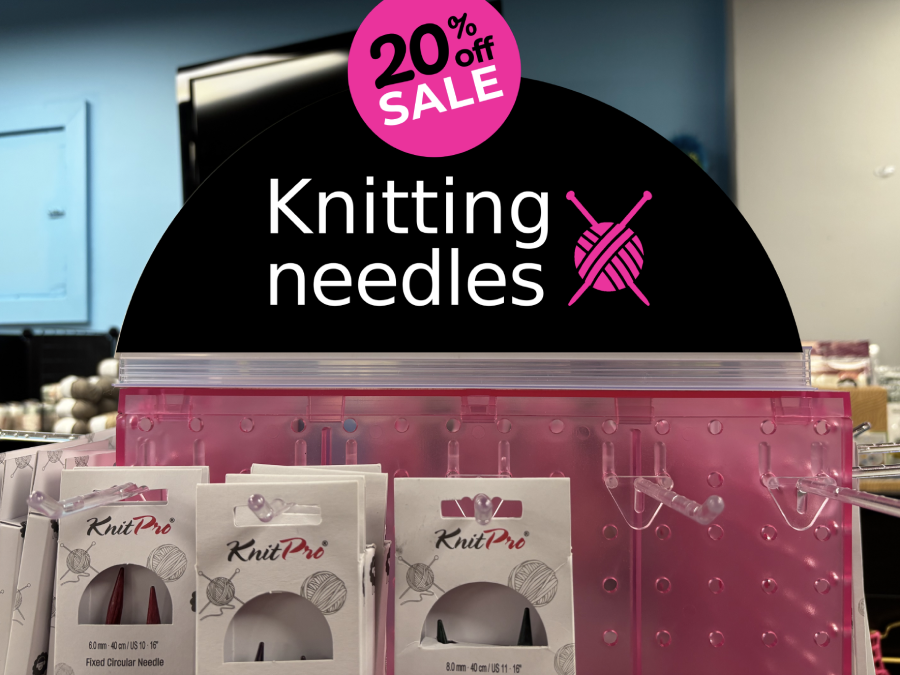
- Retail support graphics
- Iconography
- Promotional collateral
- Customer-facing communications
Every piece needed to contribute to a unified retail experience while remaining practical to produce and maintain.
Design Approach
The visual direction focused on clarity, warmth, and accessibility.
Rather than creating overly elaborate graphics, the emphasis was placed on readability, consistency, and ease of use. This ensured that customers could quickly understand product categories, pricing, and store offerings.
The design system also needed to function across a variety of production methods, including black-and-white printing, in-house production, and professionally fabricated signage.
Outcome
The resulting materials were well received by ownership and staff.
Minor adjustments were made following review, after which the deliverables were approved for implementation.
The final system provided a consistent visual foundation that helped establish professionalism while remaining practical for a growing independent retailer.
Reflection
This project reinforced the importance of designing for reality rather than ideal circumstances.
Great retail design must work within operational, financial, and staffing constraints. The most beautiful solution is not always the most effective solution.
By focusing on consistency, usability, and maintainability, the work was able to support both customer experience and business operations.
Good retail design helps customers find what they need, feel welcome, and confidently make purchasing decisions.
Supporting Visuals
A selection of retail materials created to support the launch and ongoing operation of The Strand.
Interested in working together?
Whether you’re launching a retail brand, improving in-store communication, or creating practical materials that help customers and staff, I’d love to hear about it.
Get in Touch