
Project Study
Follett eFairs
Designing an online book fair platform that supported school storefronts, shopping workflows, order processing, fulfillment, and the themed experience educators valued most.
Project Highlights
Overview
Follett eFairs was created as an online version of the traditional school book fair experience, designed for students, teachers, parents, and schools nationwide.
The platform was built to compete directly with Scholastic Book Fairs while giving schools the ability to run online book fairs as standalone storefronts or as digital companions to physical, on-site events.
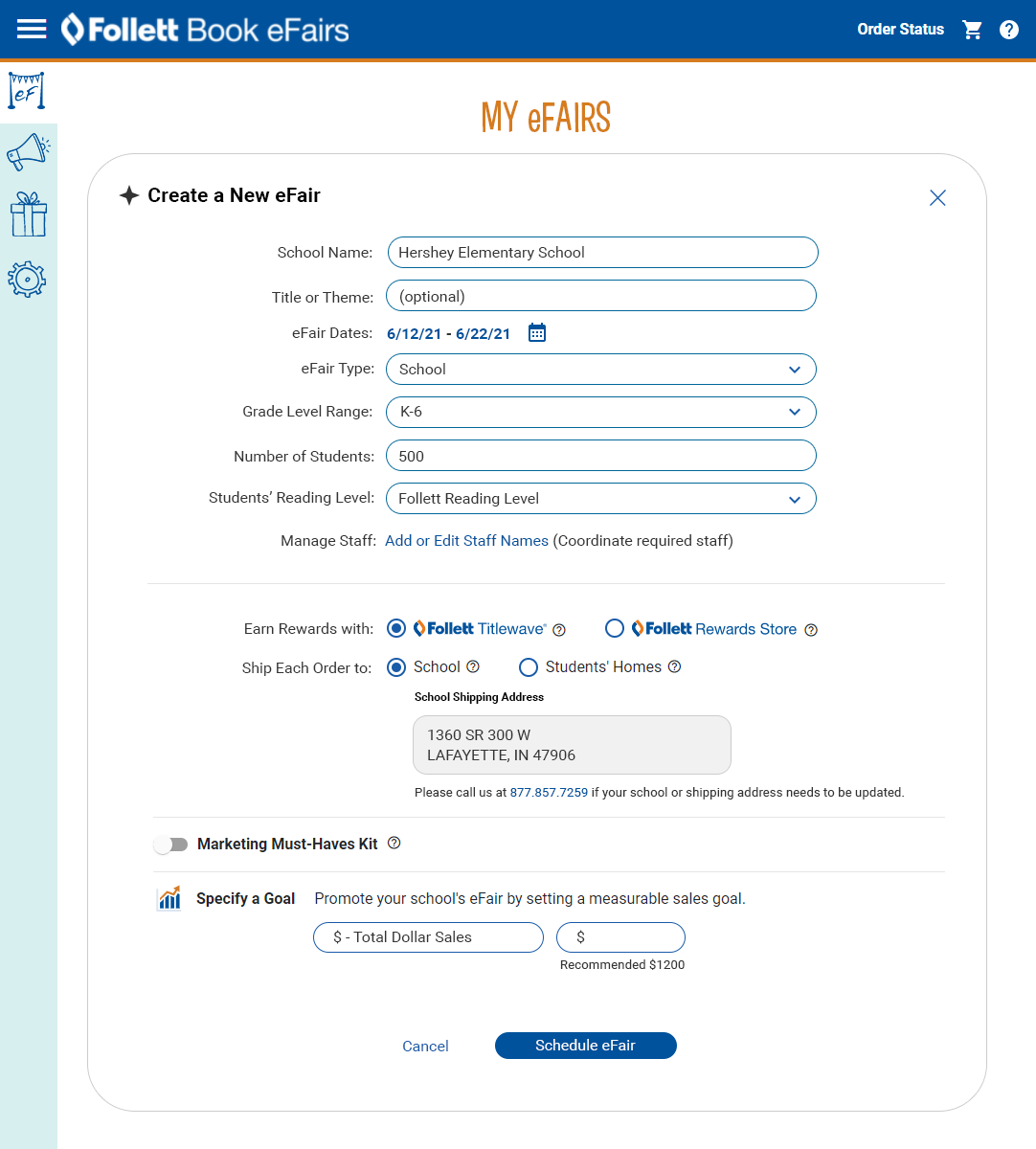
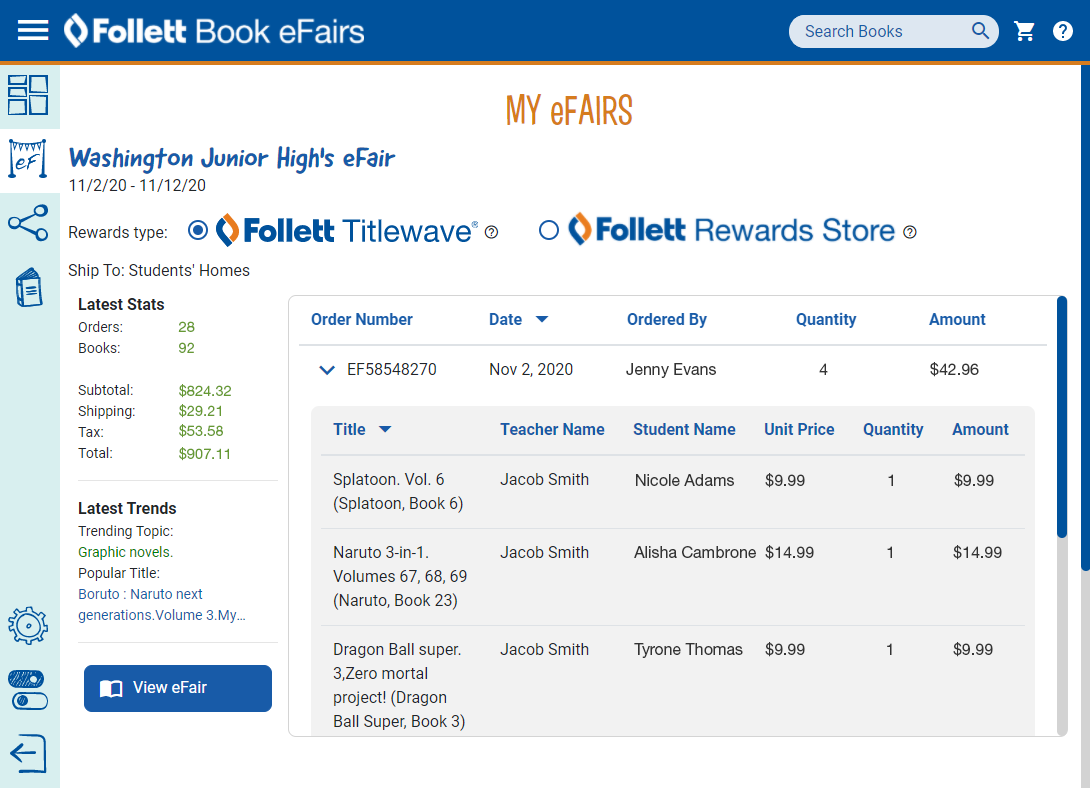
The product included shopping tools, wishlists, order processing, scheduling, fulfillment support, reporting, and administrative controls.
Challenge & Opportunity
The primary challenge was helping the business understand that book fair themes were not decorative extras. They were part of the emotional and educational experience that made book fairs memorable.
Educators used themes to plan, promote, launch, run, and follow up on their events. Themes helped create excitement before a fair began and gave schools a way to make the experience feel unique to their community.
The opportunity was to design a platform that supported commerce while preserving the spirit of the physical book fair experience.
Field Research
Before the platform fully matured, I independently volunteered at my son’s primary school book fair, which was sponsored by Scholastic.
I took detailed notes and photographs, then assembled a comprehensive document capturing observations, opportunities, and clear wins Follett could pursue to gain a competitive advantage.
That research helped reinforce the importance of theming, school-specific experiences, promotion, fulfillment, and the practical realities of how book fairs actually worked in school environments.
My Contribution
I contributed to the UI, UX, QA, and product experience of Follett eFairs, supporting both customer-facing and administrative workflows.
- Designed and evaluated eCommerce workflows
- Supported responsive optimization for desktop, tablet, and phone
- Helped document and evaluate user needs through field observation
- Supported QA and usability review
- Contributed to shopping, cart, wishlist, and administrative experiences
- Advocated for book fair theming as a core experience driver
Key Design Decision
One of the most important product decisions was allowing eFairs to function either as standalone online storefronts or as digital companions to physical book fairs.
This created flexibility for schools while supporting multiple operational realities: inventory management, procurement, back orders, fulfillment, delivery, wishlists, account activity, scheduling, and administration.
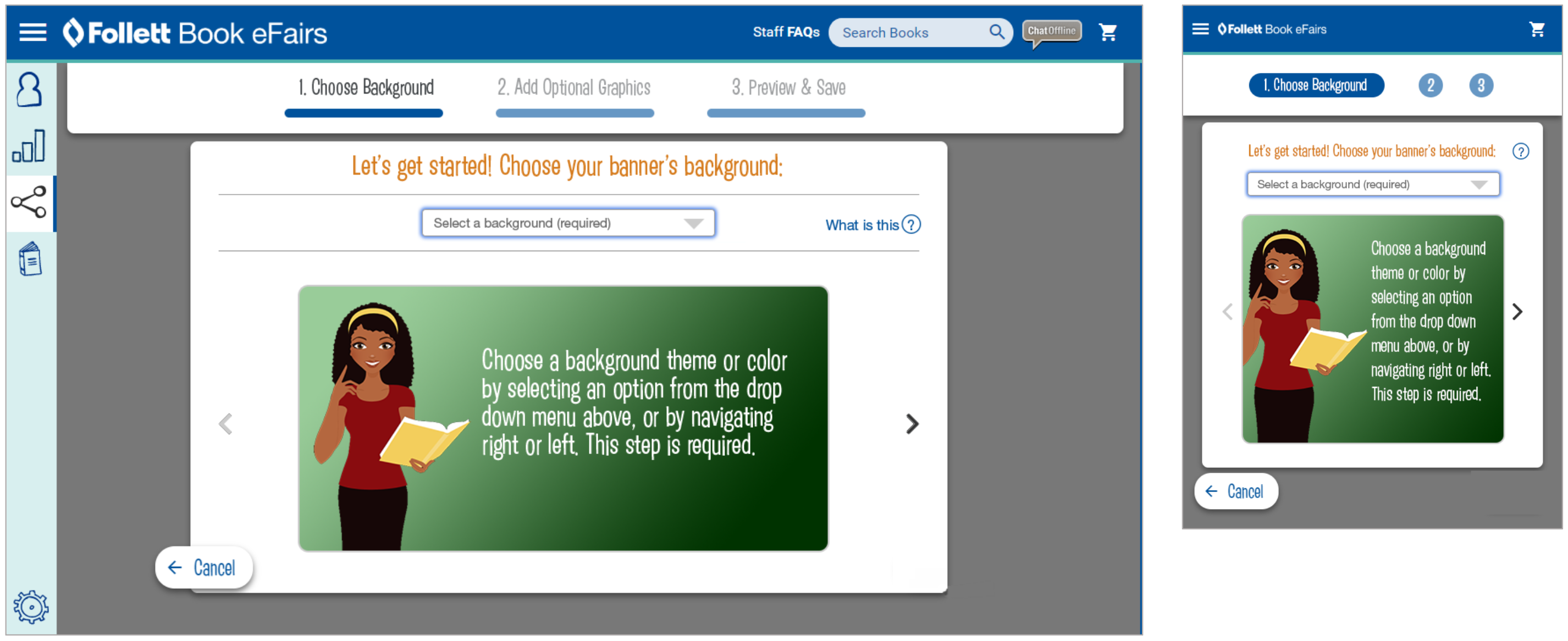
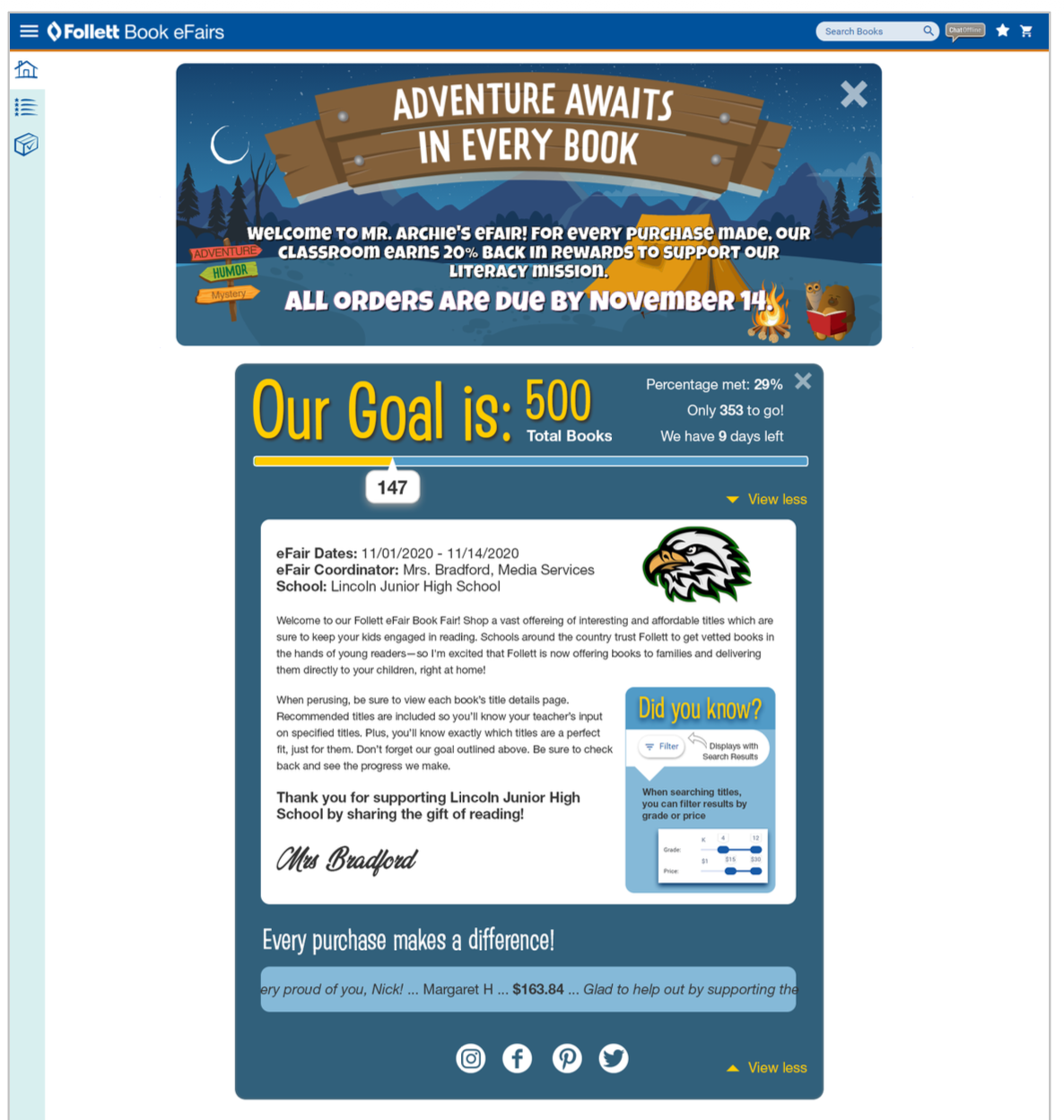
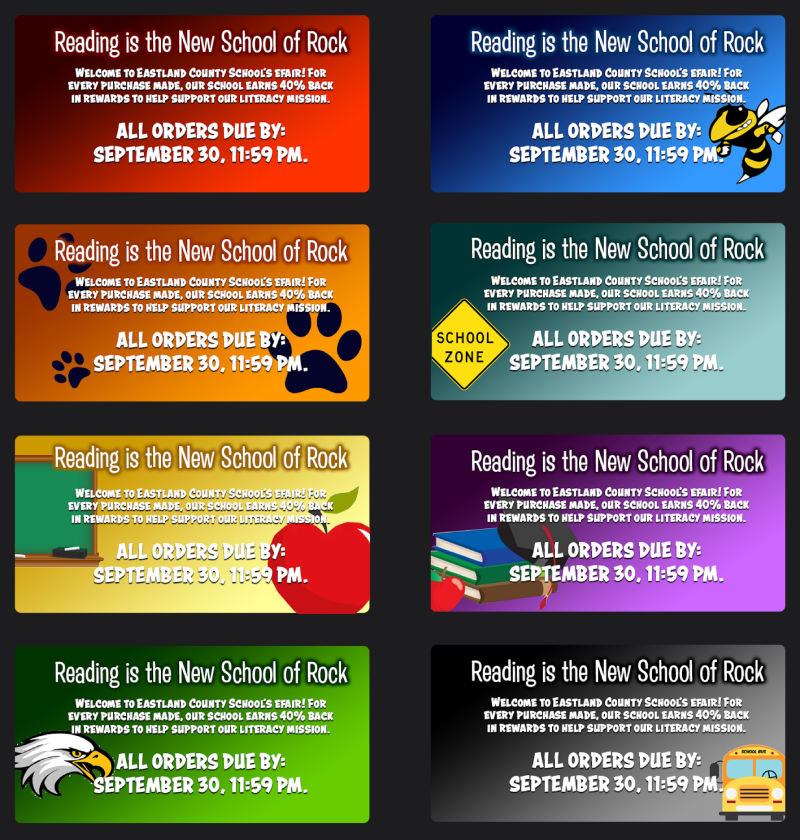
A theme builder was also introduced so administrators could customize their eFair through graphics and color palettes, giving schools a stronger sense of ownership over the experience.
Product Features
Follett eFairs grew into a multi-layered commerce and administration platform.
- Standalone online school storefronts
- Support for tandem physical and digital book fairs
- Inventory management
- Procurement and back-order workflows
- Order fulfillment and delivery support
- Wishlists for students and families
- Open and read-rate tracking by account
- Online shopping and cart workflows
- Scheduling tools for administrators
- Custom graphics and color palette theming
Outcome
The effort proved effective and helped Follett gain meaningful traction in a market long associated with Scholastic.
Follett dedicated warehouse space, regional distribution support, and a fleet of box trucks to the program. The offering generated interest from schools and institutions and even attracted talent from Scholastic’s sales organization.
Despite its promise and popularity, the program was eventually sunsetted because it was not deemed sustainable long term.
Reflection
Looking back, I would have advocated even more strongly for the importance of theming and school-specific customization.
Educators do not treat book fair themes as superficial decoration. They use them to build anticipation, create school-wide participation, organize communications, and make the fair feel like an event.
The most valuable lesson from Follett eFairs was that successful eCommerce experiences are not always just about transactions. In this case, the transaction was only one part of a much larger school experience.
Supporting Visuals
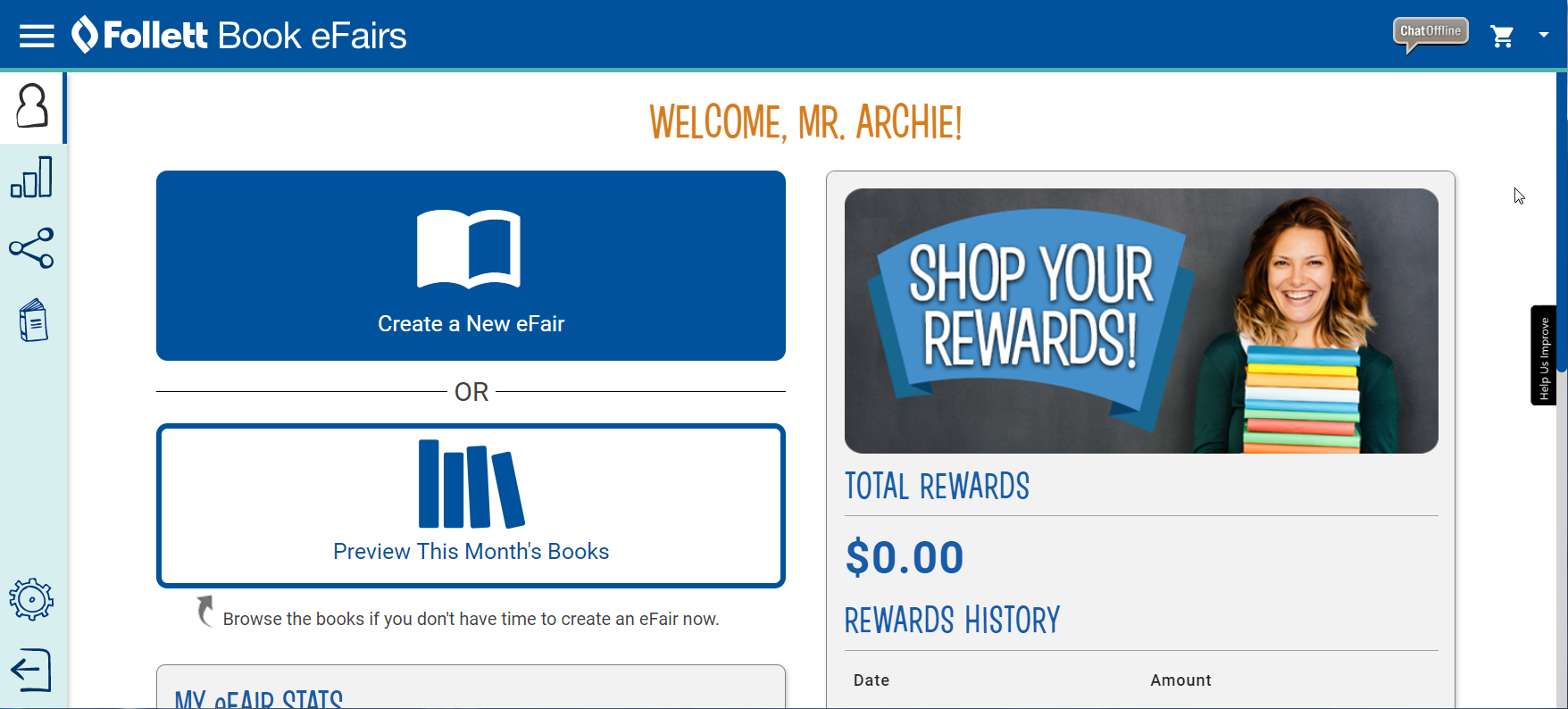
Additional eFairs screens, cart states, emails, welcome screens, banner tools, or process documentation.
Interested in working together?
Whether you’re building a digital product, evolving a brand, or tackling a complex user experience challenge, I’d love to hear about it.
Get in Touch